

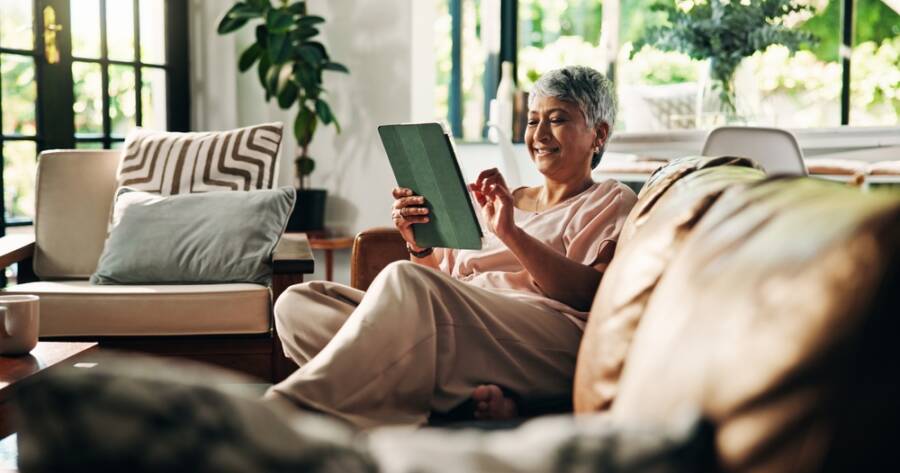
Eco houses are emerging as a preferred choice for older adults, driven by environmental concerns and the pursuit of healthier living spaces. Eco-friendly homes offer sustainable designs that cater to both ecological and physical needs, featuring energy-efficient technologies and community-based living options. It’s important to understand how eco-friendly housing can provide comfort, independence, and long-term savings for seniors.
The Rise of Eco Houses for Older Adults
Eco houses are becoming a popular choice for older adults, driven by a growing concern for climate change and the desire for a healthier living environment. More than 61% of individuals over the age of 55 express moderate to high concern about climate change, prompting many to seek lifestyle choices that align with their environmental values (source). These eco-friendly homes are designed to reduce emissions and improve indoor environmental quality, offering a sustainable alternative to traditional housing.
Features of Eco-Friendly Homes
Eco-friendly homes for seniors are crafted to balance sustainability with accessibility. They often feature single-story layouts, improved air circulation, and ample natural light, catering to both environmental and physical needs.
This design not only promotes comfort and independence but also supports aging in place (source). Additionally, smart technology such as thermostats, voice-activated lighting, and security systems enhances energy efficiency and quality of life, allowing seniors to live independently for longer.
Community-Based Eco Living
Community-based eco-friendly living options, such as eco-villages and green retirement communities, are gaining traction. These settings offer shared resources and social connectivity, encouraging outdoor activity and interaction, which contribute to mental and physical well-being (source). For instance, Horizon House in Seattle exemplifies a sustainable retirement community by integrating environmental values into daily life, with initiatives like carbon neutrality, composting, and recycling systems that exceed industry standards (source).
Cost and Savings of Eco Houses
While eco-friendly homes may have higher upfront costs, they offer long-term savings through reduced energy and water bills, lower maintenance needs, and potential tax incentives. These savings are particularly beneficial for seniors on a fixed income (source). Prefabricated and modular homes present a cost-effective and sustainable alternative to traditional home building, making them an attractive option for older adults seeking eco-friendly living solutions (source).
Retrofitting Existing Homes
For seniors wishing to remain in their current residences, retrofitting existing homes is a practical path to sustainability. Improvements such as adding insulation, energy-efficient windows, and accessible features can enhance comfort and efficiency (source). This approach allows older adults to enjoy the benefits of eco-friendly living without the need to relocate.
Why You Should Learn More About Eco Houses Today
Eco houses offer a thoughtful blend of sustainability, comfort, and independence that aligns well with the evolving needs of older adults. With features designed to support mobility, reduce energy use, and improve indoor living conditions, they provide a practical and forward-looking housing solution. As awareness of environmental impact grows, many seniors are embracing options that reflect both personal values and long-term well-being.
Taking time to understand eco-friendly housing options can open the door to meaningful lifestyle improvements and financial benefits. From lower utility costs to healthier living environments, the advantages extend beyond simple sustainability. By staying informed and considering available choices, older adults can make confident decisions that support independence, enhance daily life, and contribute to a more responsible and resilient future.