

Sleep apnea is a serious sleep disorder that often goes undiagnosed, despite its impact on overall health and daily energy levels. Sleep studies play a critical role in identifying apnea disorders by monitoring breathing patterns, oxygen levels, and brain activity. Understanding how the studies work helps individuals take informed steps toward accurate diagnosis and effective treatment.
Understanding Sleep Apnea and Its Diagnosis
Sleep apnea is a disorder characterized by repeated interruptions in breathing during sleep, which can lead to serious health complications if untreated. There are three main types of sleep apnea: obstructive sleep apnea (OSA), central sleep apnea (CSA), and mixed/complex sleep apnea. OSA is caused by throat muscles relaxing and blocking the airway, while CSA is due to the brain failing to send proper signals to breathing muscles (source).
The Role of Sleep Studies in Diagnosing Sleep Apnea
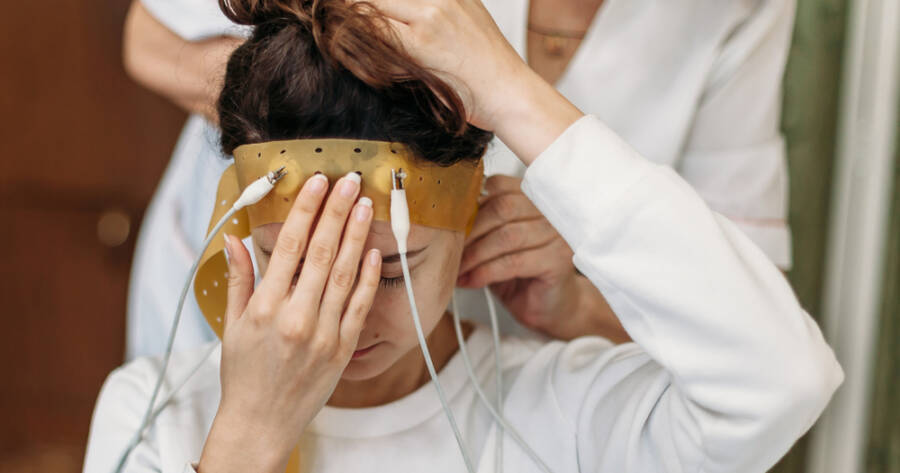
The diagnosis of sleep apnea typically begins with a healthcare provider assessing symptoms and medical history. This is often followed by tests such as a polysomnogram or home sleep apnea testing (source). A polysomnogram, commonly known as a sleep study, is the primary method for diagnosing OSA. Conducted in a sleep laboratory, it monitors various physiological parameters such as brain waves, blood oxygen levels, heart rate, breathing, and eye and leg movements while the patient is asleep. This comprehensive monitoring helps in identifying the presence of sleep apnea (source).
Home sleep tests are a simpler alternative but may not always detect sleep apnea accurately. These tests monitor various physical activities during sleep, such as brain waves, muscle activity, breathing patterns, and oxygen levels in the blood. This data is analyzed by a qualified sleep specialist to diagnose sleep apnea or other sleep disorders.
Advanced Diagnostic Techniques
Since sleep studies do not pinpoint the exact location of airway obstructions, additional evaluation methods are necessary. Nasopharyngoscopy and sleep endoscopy are two procedures used to observe and identify anatomical structures that may cause airway narrowing and obstruction during sleep.
Imaging methods such as CT scans and MRI, both awake and asleep, are being researched for their potential to provide additional diagnostic information. These techniques are particularly useful in pre-operative evaluations for surgeries involving the facial skeleton, such as maxillomandibular advancement (source).
Preparing for a Sleep Study
Patients are advised to prepare for appointments by listing symptoms, personal information, medications, and questions for the healthcare professional. Bringing a partner who can provide additional insights into symptoms is also recommended. Keeping a sleep diary for one to two weeks can also help capture sleep patterns and lifestyle factors, providing valuable context for doctors to decide on further testing (source).
Why You Should Learn More About Sleep Apnea Studies Today
Understanding how sleep apnea is diagnosed is crucial for effective management and treatment of the disorder. With various diagnostic tools available, including polysomnography and home sleep tests, patients can receive a comprehensive evaluation of their condition. Advanced techniques such as imaging and airway evaluations further enhance the accuracy of diagnoses.
By learning more about these processes, individuals can better engage with healthcare providers to discuss symptoms and explore appropriate treatment options. This knowledge is vital for improving the quality of life and mitigating the health risks associated with untreated sleep apnea.