

Footwear can become much more important when diabetes affects sensation, circulation, or the shape of the feet. A shoe that feels harmless at first may create pressure or friction that goes unnoticed until skin damage develops. Knowing what to look for in everyday and therapeutic footwear can help people with diabetes make safer, more informed choices about protecting their feet.
Why Footwear Matters More With Diabetes
Diabetes affects the body in ways that extend far beyond blood sugar levels. Among the most serious long-term effects are changes to the nerves and blood vessels in the feet. Nerve damage, known as neuropathy, can reduce a person’s ability to detect sensations such as pain, heat, and cold, which means that a small cut, blister, or irritation may go unnoticed until it becomes a much larger problem (source).
Beyond nerve damage, diabetes can also cause harm to joints and blood vessels in the feet, a combination that raises the likelihood of serious foot injuries (source). Because the feet are constantly under pressure from daily movement, wearing the wrong type of footwear can accelerate damage in ways that might not become apparent until complications are already developing.
How Diabetes Can Change the Shape of the Feet
One of the lesser-known effects of diabetic nerve damage is that it can physically alter the structure of the feet and toes over time (source). As this happens, shoes that once fit comfortably may begin to create pressure points, cause rubbing, or restrict circulation. Standard footwear designs are not built with these structural changes in mind, which is one reason why specialized diabetic shoes exist as a category.
People living with diabetes should be aware that approximately 12% of those with the condition will develop a diabetic foot ulcer at some point in their lifetime (source). Many of these cases are linked to footwear that fits poorly or causes repeated friction without the wearer’s knowledge. Preventive choices made early, including thoughtful shoe selection, can make a meaningful difference in long-term foot health.
Key Features to Look for in Diabetic Shoes
Not every shoe marketed as “diabetic-friendly” offers the same level of protection. Several specific design elements stand out when evaluating whether a shoe is genuinely suited for someone managing diabetes. Proper fit is foundational. A shoe that pinches the toes, rubs against the heel, or creates friction along the sides can cause exactly the type of injury that neuropathy might prevent a person from noticing (source).
Depth is another important factor. Shoes with extra vertical space in the toe box accommodate foot deformities or swelling that some people with diabetes develop over time. A wide toe box allows the toes to rest naturally without compression, reducing the chances of blisters or sores forming at pressure points. Seamless interiors are also worth prioritizing. Rough seams or stitching on the inside of a shoe can abrade sensitive skin repeatedly throughout the day, causing wounds that a person with reduced sensation may not feel until significant damage has occurred (source).
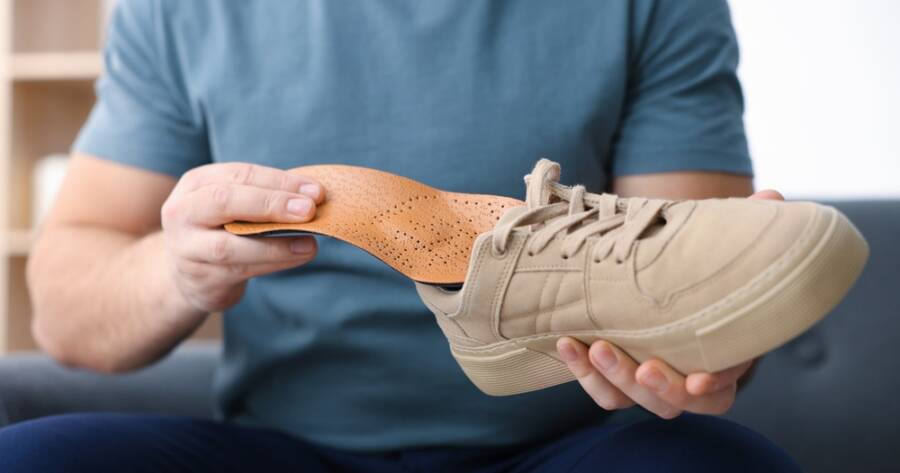
Cushioning and support in the sole serve a protective function as well. Adequate padding absorbs impact forces during walking, reducing stress on vulnerable areas of the foot. Some diabetic shoes are also designed to accommodate custom orthotics or therapeutic inserts, which may be recommended for individuals with specific foot structure concerns (source).
The Role of Health Care Providers in Footwear Decisions
Choosing appropriate footwear is not purely a consumer decision. Health care providers play an active role in monitoring foot health for people with diabetes and can help identify when specialized shoes are needed. Clinical recommendations suggest that providers regularly ask patients whether they have footwear suited to protecting against ulcers, reflecting how central this topic is in diabetes management (source).
A significant portion of people with diabetic peripheral neuropathy experience no noticeable symptoms at all, meaning that the absence of pain does not signal that the feet are unharmed (source). This reality underscores why relying on discomfort as a warning system is not a reliable strategy for people with diabetes. A podiatrist or physician can assess foot shape, circulation, and nerve function to recommend shoe types or therapeutic inserts that match a patient’s specific needs.
Daily Habits That Complement Good Footwear
Even well-designed diabetic shoes work best when paired with careful daily habits. Before putting on shoes, it is advisable to check the interior for any sharp objects or debris that could cause hidden injury. Small pebbles, hardened material, or folded sock fabric inside a shoe can cause cuts or abrasions that go undetected when nerve sensitivity is reduced (source).
Inspecting the feet regularly for redness, swelling, cuts, or unusual marks is also a valuable practice. Since diabetic neuropathy may prevent a person from feeling pain signals that would otherwise prompt attention, visual checks become an important substitute. Wearing well-fitted socks without thick seams further reduces irritation inside the shoe throughout the day.
Why You Should Learn More About Diabetic Shoes Today
Diabetic footwear is a topic with real implications for long-term health, not simply a niche product category. The combination of nerve damage, circulation issues, and foot structure changes that diabetes can cause means that shoe selection carries weight that it simply does not for the general population.
Features such as proper fit, a wide toe box, seamless interiors, and cushioned soles each address specific risks that people with diabetes face. Consulting a health care provider for personalized footwear recommendations is one of the most practical steps a person with diabetes can take to protect their feet and maintain their mobility for years to come.